
Integrated tubeless therapy system
The value of integrated management in diabetes.
A single system for more carefree management.
Living with diabetes means dealing with a wide variety of issues, ranging from injections and blood sugar levels to nutrition and physical activity on a daily basis. Managing therapy through an integrated solution, which combines an insulin pump with a continuous blood glucose monitoring system, represents a technological and therapeutic breakthrough in the management of this disease.This solution allows patients to manage blood sugar controls and reduce hypoglycaemic and hyperglycaemic episodes, while increasing their peace of mind, thanks to a system that monitors and adapts their therapy in real time.
What is an integrated system?
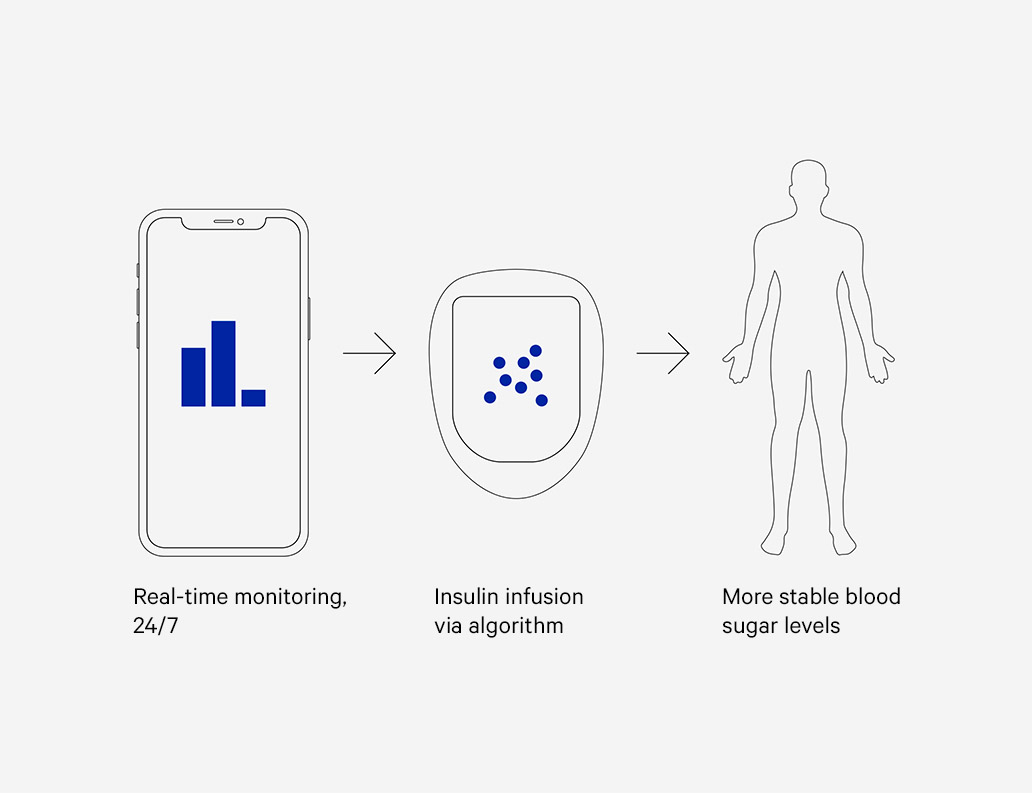
An integrated system is a technologically advanced therapeutic solution consisting of the following devices, which interact and communicate with each other:
- A CGM sensor, which monitors blood sugar levels in real time, 24 hours a day.
- An insulin pump, which receives blood sugar data from the sensor and, thanks to an algorithm, modulates the insulin infusion accordingly.
The result? Personalised, adaptive management helps to prevent fluctuations and maintain blood sugar levels stable.
Even without tubes!
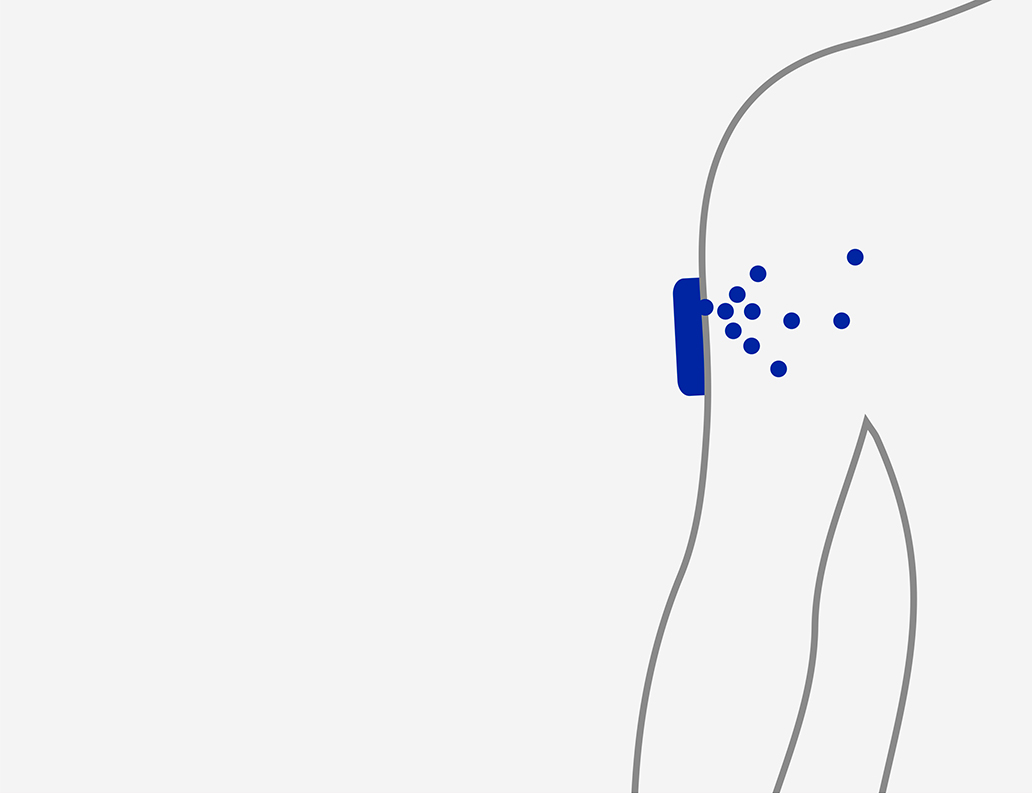
The various types of insulin pumps also include 'patch pumps’, which function as automatic, catheter-less insulin delivery systems. These small devices, which are applied to the skin, usually on the arm or stomach, release insulin from a dedicated reservoir into the body continuously, without the need for tubes. They are replaced approximately once every three days.
Clinical and daily benefits.
- Increased time in range (TIR): numerous studies show that integrated systems significantly increase the time spent in target range (70-180 mg/dL), improving overall metabolic control.
- Reduced hypoglycaemias: the combination of automatic infusion and continuous monitoring help to reduce the number of hypoglycaemic episodes, especially at night. .
- Greater daily freedom: thanks to the automated system, many patients report a reduction in decision-making stress and greater serenity in managing meals, sports and work activities.
- Improved therapeutic adherence: automation reduces the need for frequent manual decision-making, promoting greater constancy and continuity in insulin therapy.


Who is integrated system therapy suitable for?
According to the joint recommendations of SID, AMD and SIEDP, this form of treatment is suitable for all patients with type 1 diabetes.
Moreover, the use of integrated systems is preferred over non-automated systems.
A proactive approach to well-being
Adopting an integrated system therapy means shifting the focus from control to well-being,
reducing mental burden and improving quality of life,
without sacrificing safety.
Customer testimonials*
Sistema integrato senza tubi 3 ENG
"Since I began using this latest insulin delivery system, my life has changed radically for the better: more stable blood sugar levels, a lot less hypo, improved management of meal boluses with fewer hyper peaks, and above all, peace of mind... Thanks to the technology!"
Sistema integrato senza tubi 2 ENG
"My blood sugar levels are perfect, meaning I can rest easy without fear of sudden variations. You just need to watch your carbohydrate intake and it works fine."
Sistema integrato senza tubi 1 ENG
"This device has changed the life of my 10-year-old daughter, and she has much greater freedom of movement now, thanks to the practical management system and quickly the replacement patch can be fitted.
We learnt how to manage the various day-to-day operations in no time at all, permitting our daughter to live her best life in the face of this challenge."
*Customer testimonials were acquired anonymously through the TherasCare website and represent personal, real-world experiences based on individual responses to treatment. While these experiences are authentic, they do not guarantee that all users will experience the same results. To assess whether the system is suitable for you, always consult your diabetes specialist.
Sources
- ADA Diabetes Technology: Standards of Care in Diabetes—2025
- Brown et al. 2021, “Multicenter Trial of a Tubeless, On-Body Automated Insulin Delivery System With Customizable Glycemic Targets in Pediatric and Adult Participants With Type 1 Diabetes.” Diabetes Care.
- Sherr et al. 2022, “Safety and Glycemic Outcomes With a Tubeless Automated Insulin Delivery System in Very Young Children With Type 1 Diabetes: A Single-Arm Multicenter Clinical Trial” Diabetes Care.
- Fonte: ADA Facilitating Positive Health Behaviors and Well-being to Improve Health Outcomes: Standards of Care in Diabetes—2025
- Criego et al. 2023, “Two Years with a Tubeless Automated Insulin Delivery System: A Single-Arm Multicenter Trial in Children, Adolescents, and Adults with Type 1 Diabetes.” Diabetes Technology & Therapeutics.
- Polonsky et al. 2022, “How Introduction of Automated Insulin Delivery Systems May Influence Psychosocial Outcomes in Adults with Type 1 Diabetes: Findings from the First Investigation with the Omnipod® 5 System”. Diabetes Research and Clinical Practice.
- Hood et al. 2023, “Psychosocial Outcomes with the Omnipod® 5 Automated Insulin Delivery System in Children and Adolescents with Type 1 Diabetes and Their Caregivers.” Pediatric Diabetes.
- Linea Guida della Associazione dei Medici Diabetologi (AMD), della Società Italiana di Diabetologia (SID) e della Società Italiana di Endocrinologia e Diabetologia Pediatrica (SIEDP). La terapia del diabete mellito di tipo. 2024